The Complete Strategic Guide to Hiring & Managing Elite Handyman Contractors
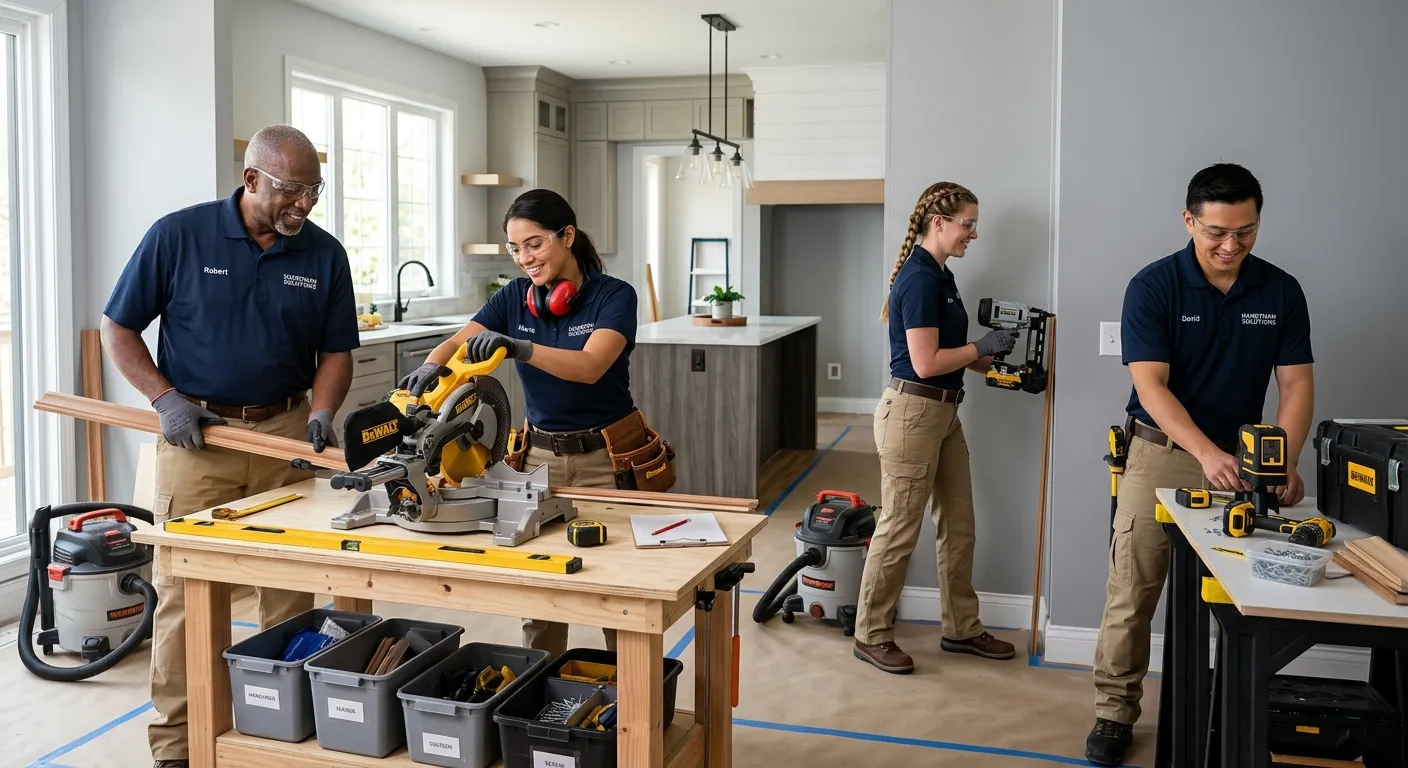
Navigating the world of skilled trades requires more than just posting a job ad. This definitive resource provides business owners, facility managers, and HR professionals with a strategic blueprint for sourcing, vetting, and retaining top-tier handyman contractors to ensure operational excellence and unparalleled customer service help desk support for maintenance issues.
Why Specialized Handyman Contractors Are Your Business's Backbone
In today's fast-paced operational environment, the role of the handyman contractor has evolved far beyond simple repairs. These professionals are the frontline defenders of your physical assets, ensuring safety, compliance, and functionality. Whether managing a portfolio of rental properties, a manufacturing facility, or a corporate campus, a reliable handyman is critical. Unlike general temp workforce solutions, handyman contractors bring specialized, certified skills that directly impact your bottom line by preventing costly downtime and major repairs.
Mastering the Hiring Process for Handyman Talent
Finding the right handyman contractor requires a targeted approach. It's not just about filling a slot; it's about sourcing a professional who can work autonomously, solve complex problems, and represent your brand. Start by crafting a detailed job description that goes beyond"fixing things." Specify required certifications (e.g., gas-safe, electrical part-P, IPAF), experience with specific systems, and soft skills like client communication. Utilize specialized staffing channels; for instance, just as you would seek light industrial staff for warehouse operations, you need platforms and agencies that vet trade skills. Implement a multi-stage interview process including practical, on-site assessments to evaluate problem-solving in real-time.
Pro-Tip: The Skills Portfolio Review
Always request a digital portfolio of past work. A professional handyman contractor should be able to provide before/after photos, testimonials, and details of complex projects they've completed. This is as crucial as checking references.
Streamlining Project Management & Communication
Once hired, effective management is key. Integrate your handyman contractors into your operational workflow using digital tools for job ticketing, scheduling, and parts inventory. Clear communication channels prevent misunderstandings and delays. Establish a primary point of contact, whether it's a facilities manager or a dedicated customer service help desk, to triage requests and assign priority levels. This system ensures that emergency repairs are escalated immediately, while preventative maintenance is scheduled efficiently. Consider adopting strategies from our Strategic Recruitment Blueprint for 2026 to apply data-driven insights to your maintenance workforce planning.
Ensuring 100% Compliance & On-Site Safety
The legal and safety implications of handyman work cannot be overstated. Ensure every contractor provides proof of valid public liability insurance (minimum £2 million coverage), relevant health and safety certifications (CSCS, Asbestos Awareness, etc.), and right-to-work documentation. Regular toolbox talks and site-specific risk assessments are mandatory. Non-compliance doesn't just risk fines; it jeopardizes your entire operation. The principles of safe, compliant work are universal, whether for handyman contractors on a building site or warehouse operatives in Edinburgh handling goods.
Core Benefits of Partnering with Professional Handyman Contractors
Risk Mitigation & Compliance
Professional contractors carry their own insurance and guarantees. They ensure all work meets current building regulations and safety standards, transferring significant liability away from your business and providing peace of mind.
Operational Efficiency & Cost Savings
Skilled handymen complete tasks correctly the first time, preventing callbacks and secondary damage. Their expertise allows for accurate diagnostics and efficient use of materials, reducing waste and long-term maintenance costs.
Scalability & Flexible Resourcing
Contractor relationships provide flexibility to scale your maintenance team up or down based on project pipelines or seasonal demands, similar to how businesses utilize last-minute placements for event staffing or retail peaks.
Integrating Handyman Contractors into Your Customer Service Ecosystem
The most successful operations seamlessly blend their handyman contractors with their customer-facing support teams. When a tenant, resident, or internal department reports an issue, it should flow through a centralized customer service help desk. This desk acts as the brain of your maintenance operations, logging requests, assigning priority, dispatching the appropriate contractor, and providing real-time updates to the requester. This integration turns a reactive repair service into a proactive asset management strategy, dramatically improving satisfaction scores. For businesses managing multiple properties or sites, this system is non-negotiable for efficiency.
Consider the technology stack: integrate a cloud-based property management or facility software that allows your help desk to create, assign, and track work orders. Contractors can receive jobs on a mobile app, update statuses, upload photos of completed work, and digitally capture client signatures. This creates an auditable trail and ensures accountability. The efficiency gained here mirrors the advantages found in specialized sectors like logistics or IT, where real-time tracking and communication are paramount.
The Financial Case: Cost-Benefit Analysis of In-House vs. Contracted Handymen
Many businesses debate hiring a full-time, in-house handyman versus using contracted specialists. The analysis extends beyond hourly rates. Consider the fully loaded cost of an employee: salary, employer National Insurance contributions (detailed in our resource on employer costs), pension auto-enrolment, training, tools, vehicle costs, and benefits. Now contrast with a contractor: you pay for the job or an agreed day rate. They cover their own tools, insurance, training, vehicle, and taxes.
- Variable Demand: If your repair workload fluctuates, contractors provide cost-effective scalability without idle time.
- Specialized Skills: Need a one-off plumbing repair, an electrical fault diagnosis, and a plastering job? A single in-house employee is unlikely to be expert in all three. Contractors give you access to niche skills on demand.
- Reduced Administrative Burden: Contractor management simplifies payroll, HR issues, and performance management.
The model is proven across industries. Just as a company might use a staffing agency for temporary jobs in Milton Keynes to handle seasonal peaks, using handyman contractors for maintenance peaks is a financially astute strategy.
Actionable Checklist: Vetting & Onboarding Your Next Handyman Contractor
Before you engage any tradesperson, run through this comprehensive checklist. Diligence at this stage prevents countless problems later.
Pre-Engagement Vetting (Must-Do Steps)
- Verify Credentials: Check original certificates for Gas Safe Registration (for gas work), NICEIC or NAPIT (for electrical work), CSCS card, and Public Liability Insurance (ask for the certificate and call the insurer to verify it's current).
- Portfolio & References: Demand a portfolio of similar completed jobs. Contact at least two previous clients, specifically asking about reliability, cleanliness, communication, and problem-solving ability.
- Detailed Written Quote: Never proceed on a verbal estimate. The quote must itemize labor, materials, VAT, and a clear scope of work. It should also state the expected timeline and payment schedule.
- Contract Agreement: For substantial projects, a simple contract protecting both parties is essential. It should cover the scope, price, timeline, warranty details, and dispute resolution process.
Effective Onboarding & Management
- Site Induction: Before work begins, conduct a full site induction. Cover site-specific hazards, emergency procedures, welfare facilities, key contacts, and any security protocols (like sign-in/sign-out).
- Clear Communication Protocol: Establish the chain of command. Who does the contractor report to daily? How are additional costs or scope changes approved? Integrate them into your communication tools (e.g., Slack, Teams, or job management software).
- Documentation & Sign-off: Upon completion, require a completion certificate for regulated work (like electrical installation). For all jobs, get a signed checklist confirming the work is done to satisfaction before final payment is released.
Frequently Asked Questions (FAQ) About Handyman Contractors
Quick answers to the most common questions businesses have about hiring and working with handyman contractors.
The fundamental difference lies in the working relationship and liability. A handyman contractor is a self-employed business providing services to you, the client. They control how the work is done, use their own tools, invoice for their services, and are responsible for their own taxes, insurance, and pensions. A direct employee is on your payroll, works under your control, uses your tools, and you are responsible for their PAYE, National Insurance, employment rights, and providing work. Contractors offer flexibility and specialized skill-on-demand, while employees offer more direct control and continuity. The choice depends on the permanence of the need and your risk tolerance.
Implement a centralized digital job management system. When the customer service help desk logs a ticket, it should be categorized (e.g., plumbing, electrical, carpentry). The system then allows dispatchers to assign the ticket to a pre-vetted contractor specializing in that field, often based on location and availability. The contractor receives a notification via app or email, accepts the job, and updates its status through the same platform. This creates a single source of truth for both your team and the contractors, eliminating missed calls, duplicate assignments, and communication gaps. It's similar to the efficiency seen in managing a distributed temp workforce across different sites.
At an absolute minimum, require Public Liability Insurance of at least £2 million. This covers you if their work causes injury to a third party or damage to someone else's property. For contractors employing others, Employers' Liability Insurance (minimum £5 million) is a legal requirement. If they use vehicles for work, they must have business-use Commercial Vehicle Insurance. For certain trades, professional indemnity insurance may also be relevant. Always ask for copies of certificates and verify their validity directly with the insurer before work commences.
Absolutely. Many specialized staffing agencies now have divisions dedicated to skilled trades and blue-collar workers. They perform the essential vetting—checking credentials, right-to-work, insurance, and references—before presenting candidates. This saves you immense time and reduces hiring risk. It's a scalable solution, perfect for businesses needing multiple contractors for a large project or ongoing maintenance across several locations. Explore our partner resources on finding specialized staff to understand how an agency can streamline this process, much as they do for other sectors like healthcare or events.
Ready to Build Your Elite Network of Handyman Contractors?
Stop wasting time on unreliable fixes and administrative headaches. Streamline your hiring, management, and communication with a professional, vetted network of skilled tradespeople. Whether you need a single specialist for a critical repair or a full team for a refurbishment project, the right strategy makes all the difference.
Leverage insights from across the staffing industry, from understanding future recruitment trends to mastering the logistics of on-demand labor. Your operational efficiency depends on the quality and reliability of your maintenance team.
Post Your Handyman Contractor Job NowConnect with pre-vetted, skilled professionals in hours, not weeks.