Sous Chef: The Ultimate Guide to Hiring & Career Success in Professional Kitchens
Discover the critical role of a Sous Chef, from essential skills and career paths to expert strategies for hiring the perfect second-in-command for your culinary operation. Whether you're a restaurant owner or an aspiring chef, this comprehensive guide provides the insights you need.
Hire a Sous Chef Today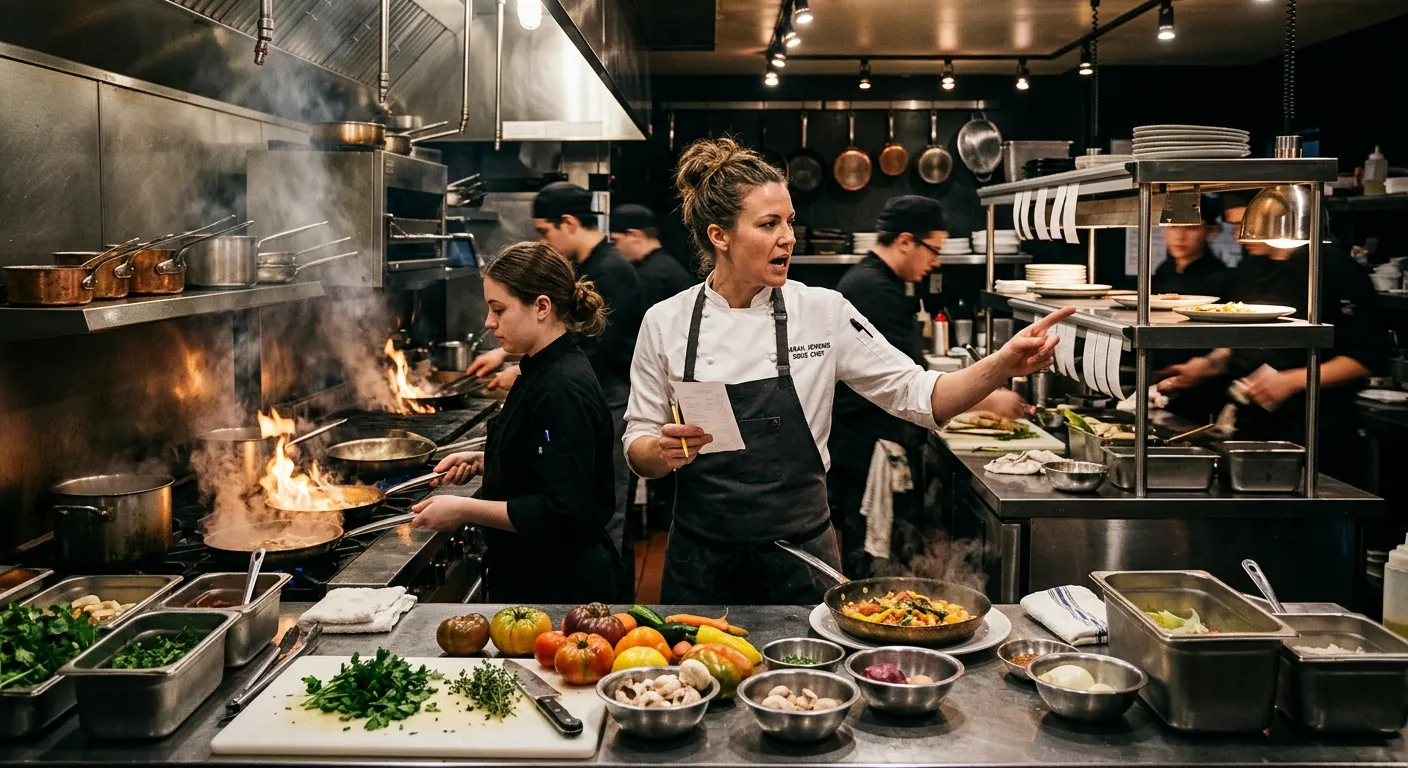
In the high-pressure, fast-paced world of professional gastronomy, the Sous Chef stands as the indispensable backbone of any successful kitchen. More than just a deputy, this role is the critical link between the visionary Executive Chef and the practical, day-to-day execution that delights customers and drives profitability. For restaurant and hotel operators, hiring the right Sous Chef is not merely a staffing decision—it's a strategic investment in quality, consistency, and team culture. Simultaneously, for culinary professionals, securing a Sous Chef position represents a pivotal career milestone, demanding a unique fusion of technical mastery, leadership acumen, and unflappable composure. This guide delves deep into every facet of the Sous Chef role, offering actionable insights for employers looking to hire staff effectively and for chefs aspiring to reach this elite level.
Mastering the Sous Chef Role: A Multi-Faceted Overview
Explore the core dimensions of this critical position through our interactive guide.
The Operational Engine of the Kitchen
The Sous Chef is fundamentally an operator and a translator. They interpret the Executive Chef's creative vision and menu concepts into actionable, standardized procedures for the entire brigade. While the Head Chef focuses on innovation, marketing, and financial strategy, the Sous Chef ensures the machine runs flawlessly during service.
- Service Expediting: Running the"pass," calling tickets, coordinating timing between stations, and plating final dishes with an eagle eye for quality and presentation.
- Inventory & Ordering: Managing stock levels, placing precise orders with suppliers, and controlling food cost through rigorous waste tracking—a skill as vital as any cooking technique.
- Staff Scheduling & Training: Creating efficient rosters that balance labour costs with operational needs, and mentoring Commis Chefs and Demi-Chefs de Partie. This people-management aspect is what separates a good cook from a great Sous Chef.
- Health & Safety Compliance: Enforcing stringent hygiene standards (HACCP), maintaining a spotless kitchen environment, and ensuring all team members are trained in safe practices.
Pro-Tip for Employers: When evaluating a Sous Chef candidate, don't just ask them to cook. Present them with a hypothetical scenario:"It's Saturday night, two line cooks call in sick, and a key delivery is late. Walk me through your first five actions." Their answer reveals prioritization, calmness under pressure, and operational logic.
Why a World-Class Sous Chef is Your Best Investment
Elevated Consistency & Quality
A great Sous Chef is the guardian of standards. They ensure every dish that leaves the kitchen matches the Head Chef's vision, every single time. This relentless focus on consistency builds customer trust and repeat business, directly protecting your brand's reputation.
Improved Cost Control & Profitability
With direct oversight of inventory, ordering, and waste, a skilled Sous Chef directly impacts your bottom line. They can identify shrinkage, negotiate with suppliers, and implement portion control systems that can improve gross profit margins by several percentage points—a transformative financial impact.
Stronger Team Culture & Retention
Kitchen staff don't leave restaurants; they leave managers. A Sous Chef who leads with respect, provides clear direction, and fosters growth creates a positive and stable work environment. This reduces costly turnover—a challenge also faced in sectors requiring labourers jobs in London and other competitive markets—and builds a loyal, skilled brigade.
Operational Resilience & Scalability
A competent Sous Chef allows the Head Chef to step away, knowing the kitchen is in safe hands. This enables business growth, menu development, and even the opening of new locations. They provide the operational backbone that makes scaling a culinary business possible.
Enhanced Training & Development
They act as the primary mentor for junior cooks, systematically upskilling the team. This creates a pipeline of internal talent, reduces reliance on external hires for every vacancy, and ensures your culinary standards are deeply embedded in the team's DNA.
Risk Mitigation & Compliance
From food safety to kitchen safety, the Sous Chef is your first line of defense. Their vigilant enforcement of HACCP and health codes prevents catastrophic incidents like food poisoning outbreaks or safety violations that can lead to fines, closures, and irreparable brand damage.
A Step-by-Step Blueprint for Hiring Your Next Sous Chef
Finding the right candidate requires a process as refined as your signature dish. Rushing this hire is one of the most expensive mistakes a restaurant owner can make.
Phase 1: Preparation & Attraction
1. Craft a Compelling Job Advertisement: Move beyond a dry list of duties. Sell the opportunity. Highlight your restaurant's philosophy, the team culture, and the growth potential for the right candidate. Mention specific responsibilities that show trust, like menu development input or budget oversight.
2. Leverage the Right Channels: Post on specialized culinary job boards, leverage industry networks, and consider partnering with a staffing agency that understands the hospitality sector's unique demands. The speed and quality of agency sourcing can be a game-changer, similar to filling urgent temp hire in Brighton or other time-sensitive roles.
3. Utilise Practical Tools: Before you even post the ad, use our Catering Staff Calculator Tool to precisely determine the optimal kitchen structure and justify the Sous Chef's role within your labour budget.
Phase 2: Evaluation & Selection
The Working Interview (The"Stage"): This is non-negotiable. Invite your shortlisted candidates to work a paid shift (or part of a shift). Don't just watch them cook; observe how they interact with your current team, how they organize their station, how they handle a mistake, and their sense of urgency. Do they ask intelligent questions? Do they clean as they go?
The Behavioral Interview: Ask situational questions:"Tell me about a time you had to discipline a team member.""Describe a situation where you identified and rectified a major cost leak.""How do you handle a situation where you disagree with the Head Chef's directive?" Listen for examples of leadership, problem-solving, and emotional intelligence.
Expert Insight:"The difference between a good hire and a great hire often comes down to cultural fit. A technically brilliant chef who clashes with your team's ethos will cause more damage than a slightly less experienced chef who elevates everyone around them. Always involve your key kitchen staff in the final interview stage for their perspective." – Industry Recruitment Specialist.
Phase 3: Onboarding & Integration
A proper onboarding process is critical for retention. Don't just throw them into the deep end on a Friday night. Have a structured plan:
- Week 1: Shadowing, meeting suppliers, understanding systems (ordering, scheduling software), and learning recipes.
- Week 2-3: Taking on specific, managed responsibilities (e.g., running lunch service, managing the larder station).
- Month 2: Full assumption of duties with regular check-ins and feedback sessions.
This measured approach ensures they build confidence and authority sustainably, setting them up for long-term success in your kitchen.
Forging Your Path: Career Development for Aspiring Sous Chefs
For the ambitious chef, the goal is not just to become a Sous Chef, but to excel in the role and use it as a launchpad. Here’s how to strategically build your career.
Building Your Portfolio of Skills
Proactively seek out knowledge beyond the stove:
- Financial Acumen: Ask to see P&L reports (if appropriate), learn how food cost percentage is calculated, and understand the impact of waste.
- People Management: Read books on leadership, conflict resolution, and motivational techniques. The kitchen is a microcosm of a corporate team.
- Technology: Master inventory management software (like MarketMan or ChefTec) and scheduling tools. Digital literacy is increasingly important.
- Specialized Knowledge: Consider certifications in areas like butchery, charcuterie, or pastry to increase your value and versatility.
Remember, your network is your net worth. Build genuine relationships with suppliers, other chefs, and industry professionals.
Navigating the Job Market
When you're ready to make your move or secure your first Sous Chef role, be strategic:
- Tailor Your CV: Highlight leadership experiences, cost-saving initiatives you've implemented, and any training/mentoring you've done. Quantify achievements where possible (e.g.,"Reduced station waste by 15%").
- Prepare for the Practical: Be ready to cook, but also be ready to talk about food cost, supplier relationships, and team dynamics. Have a few menu ideas or improvement suggestions ready for the restaurant you're applying to.
- Consider the Business Model: A Sous Chef role in a high-volume hotel is vastly different from one in a fine-dining boutique restaurant or a corporate catering facility. Target environments that match your skills and career goals.
Exploring temp workforce opportunities in high-end catering or events can also be an excellent way to gain diverse experience and make valuable connections quickly.
Sous Chef FAQ: Your Questions Answered
Salaries vary significantly based on location, restaurant type (casual dining vs. Michelin-starred), and experience. As of 2026, the range is typically £28,000 - £45,000 per annum. In major cities like London, salaries at the top end can exceed £50,000, especially in high-profile establishments. Senior Sous Chefs in large hotel operations may command more. Always consider the total package, including potential for bonuses, tips (tronc), and benefits like meals and insurance.
There's no fixed timeline, as progression is based on merit, not years. However, a typical accelerated path might look like: 1-2 years as a Commis Chef, 2-3 years as a Chef de Partie (possibly mastering multiple stations), and then a step up to Junior Sous or Sous Chef. Therefore, a highly driven and talented individual could reach Sous Chef level within 5-7 years of starting their career. Slower, more traditional paths may take 8-10 years. The key is consistently demonstrating leadership, reliability, and a deepening understanding of the business side of kitchens.
The most common and costly mistake is prioritizing culinary skill over management ability. Hiring a phenomenal cook who is a terrible leader, communicator, or organizer will destroy team morale and create operational chaos. The second biggest mistake is skipping the practical working interview ("stage"). A CV and a conversation cannot reveal how a candidate performs under the heat of service, interacts with your existing team, or manages their workspace. Always, always include a paid trial.
Absolutely. The hospitality industry increasingly utilizes temporary and contract staffing for senior roles. This is common for covering maternity/paternity leave, assisting with new restaurant openings, supporting during peak seasonal periods (e.g., Christmas in a hotel), or providing expertise for a specific project like a menu overhaul. Many agencies, including ours, specialize in placing high-calibre temporary Sous Chefs. This offers flexibility for both the business and the chef, similar to models used for temporary jobs in Milton Keynes across various sectors.
The role is demanding on multiple fronts: 1. The Work-Life Balance: Long, anti-social hours are the norm. 2. The Pressure: You are directly responsible for service execution, cost control, and team performance, with pressure from above (Head Chef/owners) and below (the team). 3. The"Middle-Management" Dynamic: You must enforce standards and sometimes deliver unpopular news from management to the team, which can be isolating. 4. Emotional Labour: Motivating a tired team, mediating conflicts, and maintaining your own composure during a chaotic service requires significant emotional resilience. Successful Sous Chefs develop robust coping mechanisms and a strong support network.
Ready to Transform Your Kitchen Leadership?
Whether you're a restaurant group seeking a permanent cornerstone for your team or need elite temporary cover for a critical period, securing the right Sous Chef is the decision that defines your kitchen's future. Don't leave this vital hire to chance.
Need staff for other critical roles? Explore our resources to hire staff across all sectors efficiently.