
Crowd Management Stadium: Hire Expert Staff Today for Safe, Efficient Event Operations
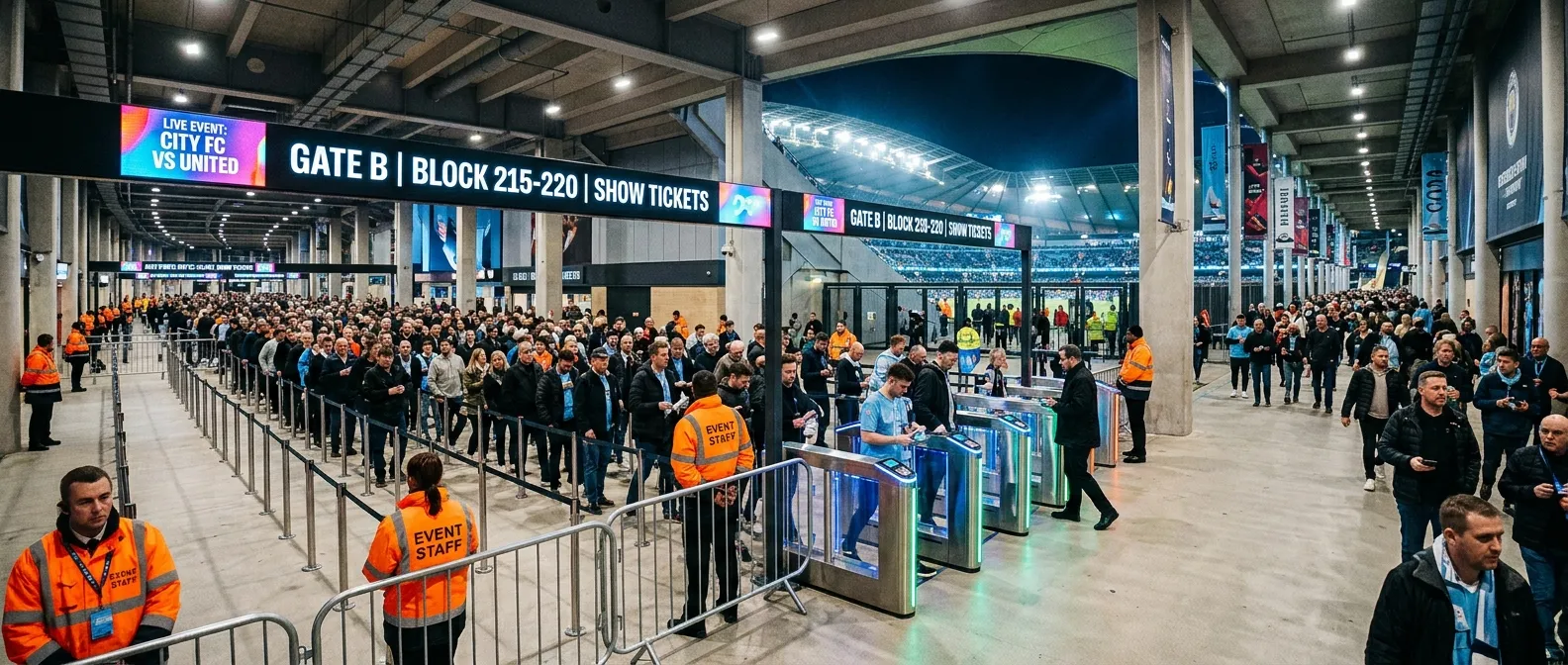
This complete guide to Crowd Management Stadium operations shows how event venues, sports clubs, concert promoters, facilities teams, and security providers can hire expert staff today, deploy flexible temporary workforces, and use a Data Entry Statistician to turn crowd numbers, incident logs, ticket scans, and access-control records into safer, faster, more profitable event days.
About Crowd Management Stadium Operations
Crowd management stadium planning is not simply about opening gates and hoping visitors move efficiently. It is a structured operational discipline that combines venue design, staffing, security, ticketing, communication, data monitoring, and emergency response. A well-run stadium controls how people arrive, how they move through concourses, how they access seating, concessions, restrooms, exits, and how they leave safely when the event ends.
For large venues, the quality of crowd management directly affects visitor satisfaction, incident rates, revenue, compliance, and reputation. A congested entrance, poorly signed concourse, understaffed gate, or delayed emergency announcement can quickly turn a successful event into a safety concern. That is why operators increasingly treat crowd management as a core service, not a background task.
The most effective stadium teams are those that combine experienced event managers, professional stewards, access-control personnel, control-room operators, and analytical roles such as a Data Entry Statistician. When these roles work together, the venue can predict bottlenecks, deploy staff intelligently, and make decisions based on live data instead of guesswork.
Pro Tip: Start Planning Before Ticket Sales Peak
Do not wait until the final event-day briefing to think about staffing. Strong crowd management stadium operations begin weeks in advance, when you understand expected attendance, ticket tiers, gate usage, concession demand, and likely exit routes. If you are building a flexible team, consider using a trusted Temp Workforce partner to secure trained event personnel early.
To learn more about specialist staffing for live events, read our guide to Events & Promotions, where we cover crew deployment, last-minute staffing, and operational readiness for busy venues.
Interactive Overview of Crowd Management Stadium Functions
Stadium Operations
Operations teams coordinate the physical movement of people through the venue. They manage gate opening times, queue lanes, signage, concourse flow, restroom capacity, concession staffing, and post-event dispersal. In a crowd management stadium, operations staff must understand how small changes—such as opening one additional gate or redirecting a queue—can dramatically reduce bottlenecks.
Operational planning also includes weather considerations, transport links, parking, public transit, VIP routes, and accessibility for disabled visitors. The goal is not simply to move people quickly, but to move them safely, comfortably, and predictably.
Security & Access Control
Security and access control are central to stadium safety. Personnel at gates, turnstiles, perimeter checkpoints, and internal screening areas help prevent unauthorised entry, manage prohibited items, and maintain orderly queues. Effective access control is not only about stopping threats; it is also about creating a calm visitor experience where rules are clear and staff are visible.
Security teams should work closely with stewards and control-room operators. If a gate becomes overloaded, the response may require more than one security guard—it may require queue management, radio communication, ticket scanning support, and a dynamic staffing decision informed by live data.
Staffing & Data Roles
Modern crowd management stadium operations rely on both people and data. Stewards, gate supervisors, ticket scanners, and event managers provide the human response layer. A Data Entry Statistician provides the analytical layer, recording attendance figures, incident logs, queue times, gate throughput, and occupancy trends.
This combination is powerful. When data is captured accurately during an event, supervisors can redeploy staff faster. After the event, managers can analyse what worked, identify recurring bottlenecks, and improve the next matchday or concert.
Compliance & Technology
Compliance is essential in stadium environments. Operators must follow safety certificates, local authority requirements, emergency plans, accessibility standards, and venue licensing rules. Technology supports compliance through digital ticketing, CCTV, access logs, radio systems, crowd sensors, and reporting dashboards.
However, technology is only effective when staff are trained to use it and when data is entered correctly. A stadium with advanced sensors but poor data discipline still creates risk. That is why a Data Entry Statistician can be a quiet but vital part of a high-performance crowd management team.
Why Hire Expert Staff for Crowd Management Stadium Events?
Safer Visitor Movement
Trained stewards and supervisors reduce crowding, manage queues, and guide visitors toward correct entrances, exits, and concourse routes.
Faster Gate Throughput
Efficient ticket scanning, clear signage, and responsive staffing help reduce waiting times and prevent dangerous entry bottlenecks.
Better Incident Response
Experienced staff can identify medical issues, disputes, lost children, or overcrowding early, then escalate calmly through radio and control-room channels.
Stronger Compliance
Accurate records, staff briefings, and controlled access support safety certificates, licensing requirements, and post-event reporting obligations.
Improved Visitor Experience
When crowds are managed well, visitors feel calmer, queues move faster, concessions become more accessible, and the overall event feels more professional.
Data-Driven Decisions
A Data Entry Statistician helps venues measure attendance, gate flow, incident frequency, and staffing gaps, making future events more efficient.
Hiring expert staff is not just a safety measure; it is a commercial decision. Long queues, poor wayfinding, and understaffed gates can reduce concession spending, increase complaints, and damage a venue’s reputation. Conversely, a well-managed stadium environment encourages repeat attendance and stronger sponsor confidence.
If you want to build a reliable event team quickly, you can Hire Staff with the right experience for stadium operations, access control, ticketing, and visitor services.
Planning Safe Crowd Flow: Entry, Movement, and Exit
The most important part of crowd management stadium operations is planning the movement of people through three critical phases: ingress, internal circulation, and egress. Each phase creates different risks and requires different staffing decisions.
1. Ingress: Managing Arrival Pressure
Ingress begins when visitors approach the stadium, not when they reach the gate. Transport drops, parking areas, pedestrian routes, and queue lanes all influence arrival pressure. If too many people arrive at one gate, congestion can build quickly.
- • Open sufficient gates before peak arrival time.
- • Use visible stewards to direct visitors to shorter queues.
- • Ensure ticket scanning staff are trained and equipped.
- • Place access-control personnel where prohibited items are checked.
- • Record gate arrival times for later analysis by a data team.
2. Internal Circulation: Concourse and Seating Flow
Once inside, visitors need to reach seating, concessions, restrooms, and merchandise areas without confusion. A well-designed concourse reduces friction, but it still requires active monitoring.
- • Use clear overhead and wall-mounted signage.
- • Position stewards at junctions and stairways.
- • Monitor restroom and concession queues during half-time or intermissions.
- • Keep emergency routes clear at all times.
- • Use control-room updates to redirect staff when congestion appears.
3. Egress: The Highest-Risk Moment
Egress is often the most dangerous phase because large groups leave simultaneously. Visitors may be tired, excited, or focused on transport connections. Poor exit management can create crush risks, road congestion, and transport bottlenecks.
- • Open multiple exits where safe and practical.
- • Stagger departure routes for different sections.
- • Coordinate with transport operators and local authorities.
- • Ensure signage is visible in low-light conditions.
- • Capture exit timing data for post-event review.
4. Emergency Movement: Preparing for the Unexpected
Emergency movement planning covers medical incidents, fire, severe weather, security threats, evacuation, and sudden overcrowding. Staff must know routes, assembly points, radio protocols, and how to communicate calmly with large groups.
- • Train all stewards on evacuation routes.
- • Brief temporary staff before every event.
- • Use clear public-address messaging.
- • Log incident response times accurately.
- • Review after-action reports with operations and data teams.
Expert Insight: Treat Staffing as a Flow Control Tool
Many venues think of stewards as static personnel standing at a gate. In reality, they are dynamic flow-control tools. A supervisor who can move two stewards from a quiet exit to a busy entrance may prevent a bottleneck before it forms. This is why communication, radio discipline, and live data matter so much in crowd management stadium operations.
Key Roles in a Crowd Management Stadium Team
A stadium crowd management team is made up of several specialised roles. The exact structure depends on venue size, event type, local regulations, and risk profile, but most successful operations include a mix of leadership, frontline, technical, and analytical staff.
Event Manager and Operations Lead
The event manager owns the operational plan. They coordinate ticketing, security, stewarding, concession staffing, transport, and emergency response. They also make high-pressure decisions when attendance patterns change or incidents occur.
Strong operations leads understand that crowd management stadium planning is not a single-day task. It begins with capacity assumptions, ticket sales data, historical attendance trends, and staffing schedules created weeks before the event.
Steward Team Leaders
Steward team leaders supervise frontline staff at gates, concourses, stairways, exits, and internal circulation points. They provide briefings, monitor performance, and report issues to the control room.
Temporary stewards can be highly effective when they receive a clear site-specific briefing. Leaders should explain routes, radio codes, prohibited items, medical reporting, and customer-service expectations.
Access Control and Ticketing Staff
These staff members manage gates, turnstiles, ticket scanning, bag checks, and visitor screening. Their role is critical because access points are where flow either accelerates or becomes dangerous.
Access-control teams must be trained not only in security procedures but also in customer communication. A calm, confident gate operator can reduce tension in a queue without stopping movement unnecessarily.
Control Room Operators
Control-room operators monitor CCTV, radio communications, gate status, incident reports, and crowd sensors. They are the central nervous system of stadium operations.
Their effectiveness depends on accurate data. If a gate supervisor reports congestion but the operator cannot log it properly, the venue loses valuable evidence for future planning. This is where a Data Entry Statistician supports operational learning.
Visitor Services and Wayfinding Staff
These staff members help visitors find seats, restrooms, exits, accessibility routes, and concession areas. They are especially important for large stadiums, international events, and venues with complex layouts.
Good wayfinding staff improve crowd flow by answering questions quickly and preventing confusion. In busy concourses, a visible helper can reduce hesitation, which in turn reduces congestion.
Data Entry Statistician
A Data Entry Statistician may not stand at the gate, but their role can shape how the whole stadium performs. They collect and clean data from ticket scans, gate logs, incident reports, occupancy counts, staffing rosters, and concession transactions.
This role turns operational noise into useful intelligence. Over time, it helps venues answer questions such as: Which gate is slowest? Which section causes the longest egress delays? How many stewards are needed during peak arrival? What was the incident rate per 1,000 attendees?
Sample Event-Day Staffing Checklist
- ✓ Confirm total expected attendance and ticket distribution by section.
- ✓ Assign stewards to gates, concourses, exits, and accessibility routes.
- ✓ Brief all temporary staff on site layout, radio protocol, and emergency procedures.
- ✓ Test ticket scanners, CCTV, PA systems, and communication devices.
- ✓ Set up incident logging and data capture forms.
- ✓ Review staffing levels at half-time, intermission, and post-event egress.
Actionable Advice for Venue Managers
Do not staff a stadium based on one static number. Use multiple signals: expected attendance, historical queue data, weather forecast, transport disruption, event type, and concession demand. A football match, concert, and family event may all create different crowd behaviour patterns even in the same venue.
If you are hiring quickly for an upcoming event, use our guide to Optimize Hiring for 2026: A Strategic Recruitment Blueprint to reduce time-to-hire while maintaining quality.
Video Insight: Event Staffing Roles
Watch this explanation of front-of-house and back-of-house staffing to understand how different roles support a busy event environment. The same principles apply to stadium crowd management: visible customer-facing staff, hidden operational support, and strong communication between teams.
The Role of a Data Entry Statistician in Crowd Management Stadium Planning
A Data Entry Statistician is often the most underrated role in stadium operations. While stewards manage people at the gates, the statistician manages the information that helps supervisors decide where those stewards should be placed. In modern crowd management stadium environments, data is not optional—it is part of safety.
During an event, a data entry statistician may record ticket scans by gate, queue duration, incident reports, medical call-outs, staffing attendance, concession transaction counts, and occupancy changes. After the event, they clean and analyse that information so operations leaders can compare planned staffing levels with actual demand.
What Data Entry Statisticians Capture
- • Attendance figures by section and ticket type.
- • Gate throughput and queue length estimates.
- • Incident counts and response times.
- • Staffing gaps or late arrivals.
- • Concession and restroom demand trends.
- • Egress timing by exit route.
How Stadiums Use the Data
- • Adjust future staffing rosters based on real crowd behaviour.
- • Identify gates that consistently cause bottlenecks.
- • Improve emergency planning with evidence-based timelines.
- • Support compliance reporting and safety audits.
- • Measure the return on investment of additional stewards.
- • Compare performance across different event types.
Practical Example: Reducing Half-Time Congestion
Suppose a stadium has 40,000 attendees and half-time creates a 12-minute rush toward restrooms and concessions. A Data Entry Statistician can compare restroom usage counts, transaction logs, and incident reports across several events. If the data shows that one concourse consistently experiences longer queues, operations managers can add stewards, improve signage, or open additional restroom access points before the next matchday.
The same principle applies to egress. If a venue knows that 60% of visitors use one exit after a late kick-off, it can plan transport coordination, signage changes, and additional staff before that exit becomes overloaded. Without data, this is guesswork. With data, it becomes operational strategy.
For venues that want to hire analytical support alongside frontline staff, you can Hire Staff Today for roles that combine event operations, data capture, and visitor services.
Flexible Staffing Models for Stadium Events
Stadium events rarely have predictable staffing needs. Ticket sales, weather, transport disruption, and event type can change demand quickly. That is why flexible staffing models are essential for effective crowd management stadium operations.
Matchday Staffing
Matchday staffing focuses on predictable attendance patterns, but still requires flexibility. A local derby, cup final, or away fan section may create different crowd behaviour than a regular fixture.
Multi-Event Staffing
Concerts, festivals, conferences, and sports events each require different crowd management stadium approaches. Multi-event venues need staff who can adapt quickly to changing layouts and audience profiles.
Surge Staffing
Surge staffing is used when demand exceeds expectations. This may happen because of a sell-out, late ticket release, weather issue, or incident requiring additional stewards and supervisors.
Seasonal Staffing
Seasonal staffing supports regular matchdays or event calendars. It gives venues a pool of trained stewards, ticket scanners, and supervisors who understand the site layout.
Emergency Staffing
Emergency staffing is required when staff absence, last-minute changes, or incident response creates immediate gaps. Venues need trusted partners who can fill roles quickly.
Hybrid Permanent and Temporary Teams
The strongest stadium teams often combine permanent operations leaders with temporary event staff. Permanent staff provide consistency, while temporary staff provide flexibility.
How to Build a Reliable Stadium Staff Pool
- 1. Create role descriptions for stewards, gate supervisors, ticket scanners, and data support.
- 2. Use temporary staff for peak events, but retain experienced personnel for critical roles.
- 3. Maintain a briefing pack that explains site layout, radio protocol, and emergency routes.
- 4. Track attendance reliability and performance after every event.
- 5. Use data from a Data Entry Statistician to forecast staffing demand.
Fast Turnaround Hiring Tip
If you need staff quickly, do not wait for a last-minute panic. Build a flexible talent pool in advance, especially for high-demand roles such as stewards, access-control assistants, and event data support.
A strong Temp Workforce strategy lets venues scale up for sell-outs without sacrificing safety or service quality.
Technology, Compliance, and Visitor Experience
Technology has transformed crowd management stadium operations. Digital ticketing, CCTV, radio systems, crowd sensors, and data dashboards give venues more visibility than ever before. However, technology is only as useful as the people who operate it and the processes that govern it.
Technology That Supports Crowd Control
- • Digital ticket scanning: tracks gate throughput and reduces manual counting errors.
- • CCTV monitoring: helps supervisors identify congestion before it becomes dangerous.
- • Radio communication: allows staff to report queue issues, incidents, and staffing gaps quickly.
- • Crowd sensors: estimate density in concourses, gates, and exit routes.
- • Reporting dashboards: combine attendance, incident, and staffing data for real-time decisions.
Compliance Requirements Venues Should Review
- • Safety certificate conditions: confirm capacity, staffing, and route requirements.
- • Local authority guidance: align with police, transport, and emergency service expectations.
- • Accessibility standards: ensure disabled visitors have safe, clear routes and support.
- • Incident reporting: maintain accurate logs for medical, security, and operational events.
- • Staff training records: verify that stewards and supervisors have appropriate briefing and certification.
Visitor Experience Is Part of Crowd Safety
Visitors who understand where to go, how long they will wait, and what is expected of them move more predictably. Clear signage, polite staff, and visible information reduce hesitation. In crowd management stadium operations, hesitation is dangerous because it creates bottlenecks. A visitor who knows the route moves efficiently; a visitor who is confused stops, looks around, and blocks the path behind them.
Technology and compliance should therefore be treated as visitor-experience tools, not just security tools. A well-managed stadium feels safe because it feels organised.
To learn how event teams can scale staffing for live venues, explore our Events & Promotions resources and discover how to build a flexible workforce for high-pressure event environments.
How to Hire Crowd Management Stadium Staff Quickly
Hiring for stadium events requires speed without sacrificing quality. The best approach is a simple three-step process: define the roles, brief the team, and monitor performance. This roadmap helps venue managers hire staff today and maintain control before, during, and after the event.
Define the Roles
Identify exactly which positions you need: stewards, gate supervisors, ticket scanners, control-room support, visitor services, and data capture staff. If analytics are part of your operation, include a Data Entry Statistician in the staffing plan.
Brief and Train
Temporary staff must receive a site-specific briefing. Cover gate locations, radio protocol, prohibited items, emergency routes, accessibility support, and customer-service expectations. Briefing quality directly affects crowd safety.
Monitor and Adapt
Use live updates from stewards and control-room operators to move staff where they are needed. After the event, review data on queue times, incidents, and staffing gaps to improve the next deployment.
Questions to Ask Before Hiring Event Staff
- ? Do they have previous stadium, festival, or large-venue experience?
- ? Are they comfortable working in high-noise, high-pressure environments?
- ? Can they follow radio communication protocols?
- ? Are they available for late arrivals, early shifts, and post-event egress?
- ? Do they understand basic customer-service expectations?
What to Include in a Stadium Staffing Request
- ✓ Event date, start time, and expected end time.
- ✓ Number of stewards, supervisors, and access-control staff required.
- ✓ Specific gate or section assignments.
- ✓ Training or certification requirements.
- ✓ Data capture needs, such as incident logging or attendance counts.
- ✓ Whether you need a Data Entry Statistician for event-day or post-event reporting.
Ready to Build Your Stadium Team?
If you need reliable staff for crowd management stadium operations, access control, visitor services, or data support, you can Hire Staff Today through a fast, professional recruitment process.
Post a Stadium Staffing JobFAQ: Crowd Management Stadium Staffing and Operations
Crowd management stadium operations refer to the planning, staffing, monitoring, and control of visitor movement in a stadium environment. It includes entry gates, concourses, seating access, concessions, restrooms, exits, emergency routes, and incident response. The goal is to keep visitors safe, comfortable, and moving efficiently before, during, and after an event.
Stadium events often have fluctuating staffing needs. A regular fixture may require one level of stewarding, while a sell-out concert may require additional gate staff, supervisors, ticket scanners, and visitor services. Temporary staff give venues flexibility without the cost of permanent full-time coverage for every event.
A Data Entry Statistician records and analyses information such as attendance figures, ticket scans, gate throughput, incident reports, staffing levels, queue times, and concession data. This helps stadium managers make evidence-based decisions about staffing, safety, compliance, and visitor experience.
The most important roles usually include stewards, gate supervisors, access-control personnel, ticket scanners, control-room operators, visitor services staff, and event managers. In data-driven venues, a Data Entry Statistician also plays a key role by measuring crowd patterns and supporting future planning.
For large events, hiring should begin as soon as attendance forecasts are available. Early recruitment allows time for training, briefing, rota planning, and contingency staffing. For smaller events, a flexible staffing partner can often provide rapid cover, but last-minute hiring still increases operational risk.
No. Technology supports crowd management, but it cannot replace human judgement, communication, and response. CCTV, sensors, and ticketing systems provide visibility, but trained staff are still needed to direct visitors, resolve conflicts, assist disabled attendees, and respond to emergencies. The best results come from combining technology with well-trained personnel and accurate data.
Final Expert Takeaways for Stadium Operators
Effective crowd management stadium operations depend on three pillars: people, process, and data. Without people, there is no response. Without process, there is no consistency. Without data, there is no improvement. A venue that invests in all three can handle larger crowds, reduce incidents, improve visitor satisfaction, and make better staffing decisions.
The most successful stadiums do not treat stewards as disposable labour. They treat them as trained safety professionals. They also recognise that a Data Entry Statistician can turn routine event records into strategic insight. When gate data, incident logs, and staffing rosters are captured properly, venue leaders can forecast demand more accurately and allocate resources more intelligently.
If your venue is preparing for a busy season, sell-out event, or new operational requirement, now is the time to build a reliable staffing plan. You can