
Flexible Workforce Solutions UK: How to Hire Staff Today for Faster, Safer, and Smarter Growth
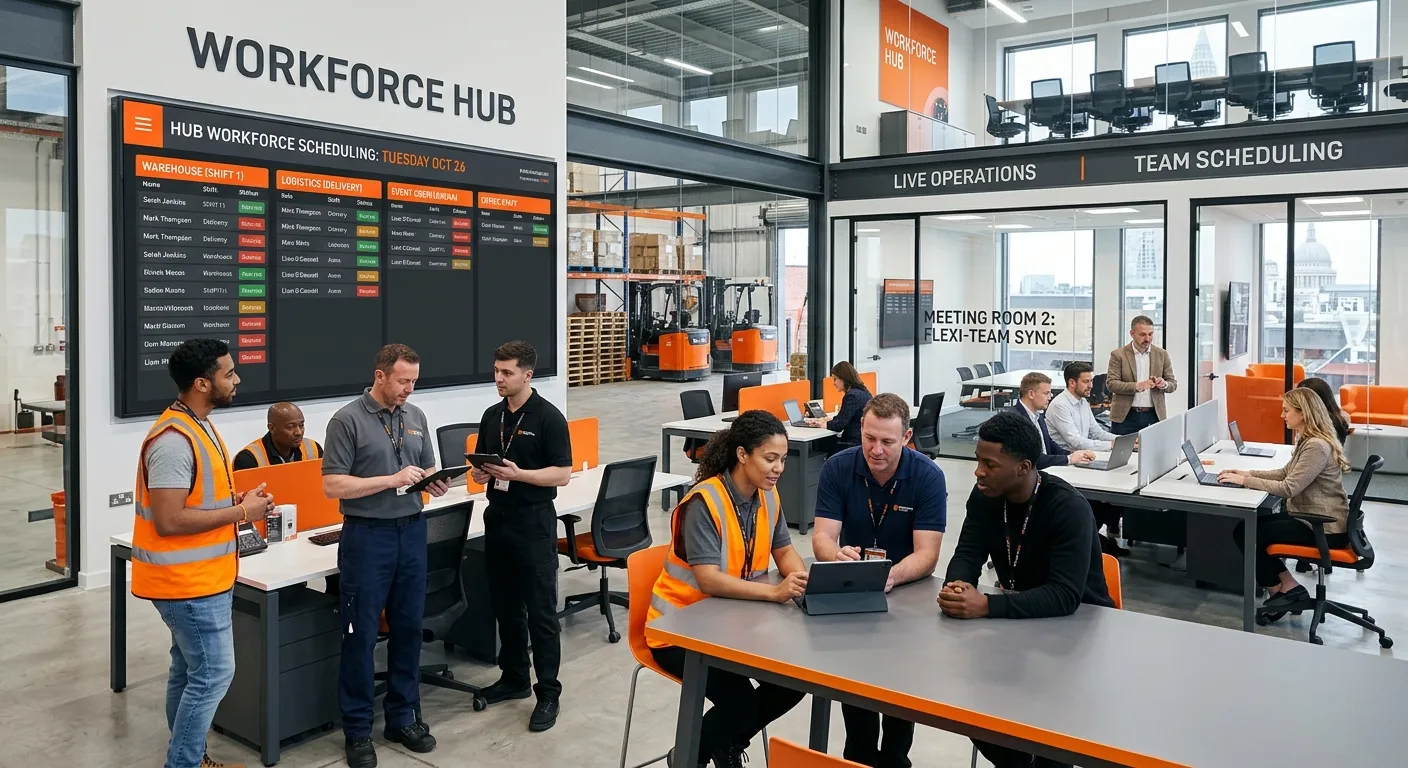
Businesses across the United Kingdom are no longer asking whether they need a more adaptable workforce. They are asking how quickly they can build one without losing control over cost, compliance, safety, and service quality. That is where Flexible Workforce Solutions UK become essential. Whether you manage a warehouse, a distribution hub, a hospitality venue, a retail site, or a growing logistics operation, the ability to scale staffing up and down with precision can protect margins during slow periods and keep revenue flowing during peak demand.
In practice, flexible staffing is not just about filling gaps. It is about creating a hiring model that matches the pace of modern business. Employers need access to vetted candidates, faster onboarding, clearer compliance records, and reliable replacement options when plans change. When those elements are combined, hiring becomes less reactive and more strategic. Instead of waiting weeks for a permanent recruitment cycle to conclude, you can hire staff today with a workforce model designed for speed, resilience, and measurable performance.
Why Flexible Workforce Planning Matters in the UK Right Now
The UK labour market has changed in ways that make rigid staffing models increasingly risky. Skills shortages, shifting consumer demand, rising wage pressure, and tighter compliance expectations have all pushed employers toward more agile recruitment strategies. A flexible workforce allows businesses to respond to seasonal peaks, urgent vacancies, project-based work, and unexpected absence without carrying unnecessary long-term payroll burden. It also creates a pipeline of proven talent that can later convert into permanent hires if and when the role justifies it.
About Flexible Workforce Solutions UK
Flexible Workforce Solutions UK refers to a structured approach to staffing that combines temporary, contract, contingent, and hybrid workforce models to meet operational demand more intelligently. Rather than relying on one hiring channel, organisations use a blended staffing strategy that can include short-term cover, seasonal surge support, project specialists, agency workers, and temp-to-perm placements. This approach gives businesses the ability to adapt without sacrificing productivity or governance.
For UK employers, the value is not only in speed. It is in control. A well-managed flexible workforce programme gives you better visibility of availability, skills, certifications, attendance, and cost. It also reduces the operational disruption that happens when vacancies sit unfilled for too long. If you are building a temp workforce strategy, the aim should always be to combine rapid access to talent with disciplined onboarding and performance management.
The best flexible staffing models are not generic. They are tailored by sector, shift pattern, compliance requirement, and location. A logistics hub in the Midlands, an event venue in London, a manufacturing site in Wales, and a retail warehouse in Scotland may all need flexible workers, but they need very different recruitment workflows, screening standards, and scheduling rules. That is why the strongest solutions are built around both workforce agility and operational precision.
What a Modern Flexible Workforce Programme Should Deliver
- ✓ Faster access to pre-screened candidates across multiple sectors
- ✓ Better cost control during seasonal and project-based demand
- ✓ Compliance support for safety, certifications, and worker records
- ✓ Replacement options for no-shows, late cancellations, or unfit workers
- ✓ A pipeline for converting high-performing temporary staff into permanent hires
Interactive Multi-Category Overview
Flexible workforce solutions are most useful when they are mapped to the operational reality of each sector. Use the tabs below to explore common hiring categories, typical demand triggers, and the staffing models that work best in each environment.
Warehousing & Light Industrial Staffing
Warehousing is one of the clearest examples of where flexible staffing adds measurable value. Demand can surge overnight due to inventory pressure, promotional activity, carrier delays, or seasonal peaks. Employers often need pickers, packers, warehouse operatives, forklift drivers, and supervisors who can start quickly and work to strict safety standards.
The most effective model here is a blend of short-term agency labour for immediate cover and a retained pool of repeat workers for predictable peaks. This reduces induction time, improves attendance, and creates a more reliable shift pattern. If your operation requires light industrial staff at short notice, the focus should be on speed, safety compliance, and dependable replacement protocols.
Events, Hospitality & Retail Staffing
Event and hospitality environments are volatile by nature. Shifts may change, attendance rates fluctuate, and customer expectations remain high. Flexible staffing helps event managers, caterers, retailers, and venue operators respond quickly without overcommitting to permanent headcount.
The best approach is to maintain a core group of trusted workers for recurring roles and use agency cover for surge periods. For example, if you are hiring same-day event set-up crew member positions, reliability and rapid mobilisation matter more than anything else. Clear scheduling, quick onboarding, and real-time communication are essential to prevent last-minute disruption.
Logistics & Driver Staffing Agency Support
Logistics is one of the most demanding flexible staffing environments because every hour of absence can create downstream delays. Employers need drivers, transport coordinators, warehouse operatives, and compliance-ready workers who understand shift discipline, vehicle checks, and delivery expectations.
A specialist Driver Staffing Agency can make a major difference in this sector. The right partner does not simply source licences. They verify certifications, monitor availability, support compliance, and help build a dependable pool of drivers who can be deployed quickly. If you need logistics talent fast, you need a provider that understands operational continuity, not just candidate supply.
Office, Admin & Hybrid Workforce Models
Flexible staffing is not limited to hands-on environments. Many organisations now use contract and temporary workers for admin, customer service, project support, and hybrid roles. This is especially useful when workload spikes are predictable but permanent hiring feels too slow or too costly.
A hybrid flexible model works well here because it allows employers to test performance before converting a role. Temporary workers can support back-office teams during peak periods, cover parental leave, or fill short-term project gaps. The key is to ensure that onboarding, access controls, and performance expectations are as disciplined as they would be for permanent staff.
Key Benefits of a Flexible Workforce Strategy
A strong flexible workforce programme is not only about filling vacancies. It improves operational resilience, hiring efficiency, and long-term talent quality. These are the benefits most UK employers should expect when the model is implemented correctly.
Faster Time-to-Hire
When you need cover today, a drawn-out recruitment process is not a viable option. Flexible workforce solutions shorten the distance between demand and deployment by using pre-vetted talent pools, rapid screening, and immediate shift confirmation. This is especially important for logistics, warehousing, and emergency staffing scenarios.
Better Cost Control
Flexible staffing helps organisations align labour spend with actual demand. Instead of carrying fixed headcount through slow periods, you can scale up when revenue rises and scale down when it does not. This creates a healthier cost base while protecting service levels.
Stronger Risk Management
A well-structured flexible workforce model reduces exposure to compliance, safety, and operational risk. With the right agency partner, employers can access workers who have been screened, trained, and monitored according to sector requirements, which is especially important in industrial and logistics environments.
Improved Workforce Reliability
The best flexible staffing providers build repeat worker pools rather than treating every shift as a one-off transaction. Over time, this improves attendance, familiarity with site rules, and overall productivity because workers already understand expectations before they arrive.
Access to Specialist Skills
Some roles require niche certifications, equipment experience, or sector-specific knowledge. A flexible workforce model gives employers access to specialist talent without needing to maintain that capability permanently. This is particularly valuable for project work, seasonal peaks, and urgent compliance-driven hires.
A Smarter Permanent Hiring Pipeline
Temporary staffing can be a controlled trial for permanent recruitment. Instead of hiring based on interview performance alone, employers can evaluate work ethic, reliability, team fit, and output over real shifts before making a longer-term commitment.
Deep Dive: How UK Employers Can Build a More Agile Workforce
1. Start with Demand Patterns, Not Job Titles
Many employers begin flexible staffing by asking, “What role do we need to fill?” That is a limited starting point. A better question is, “What kind of demand do we need to absorb?” Some roles are predictable and seasonal. Others are reactive and driven by absence, project launches, or urgent operational risk. Understanding demand patterns helps you decide whether to use temporary workers, contract specialists, shift cover, or temp-to-perm hires.
For example, a warehouse may need surge labour for four weeks during a promotional cycle, while a transport team may need a reliable replacement driver within hours. Those are different problems, and they require different workforce solutions. If you are planning ahead for the next year, a strategic recruitment blueprint can help you map which roles should be permanent, which should be flexible, and which should be blended.
2. Treat Your Agency Partner as an Operations Ally
A weak staffing relationship is transactional: you request workers, the agency sends names, and both sides hope for the best. A strong relationship is operational. The agency understands your shift patterns, your safety standards, your peak periods, and your tolerance for risk. It becomes an extension of your workforce planning function rather than a simple supplier.
This matters most in high-pressure environments. If you are working with a Driver Staffing Agency, for example, you need more than licence checks. You need proactive scheduling, replacement protocols, certification tracking, and communication that does not fail when a shift is at risk. The right partner should help you reduce disruption, not just fill a gap.
3. Build a Repeat Talent Pool for Predictable Peaks
One of the most effective flexible workforce strategies is to maintain a core group of proven temporary workers. These are people who have already been inducted, assessed, and trusted on your site. When demand rises, you can deploy them faster and with less risk than completely new candidates.
This is especially valuable for employers who need warehouse jobs in Edinburgh or other regional sites with repeat seasonal pressure. A repeat pool improves attendance, reduces retraining time, and gives managers more confidence when placing workers into live operations. The more familiar the workforce is with your standards, the easier it is to maintain quality at scale.
4. Use Compliance as a Competitive Advantage
Compliance is often viewed as overhead, but in flexible staffing it can be a major differentiator. Employers who can demonstrate strong screening, training records, right-to-work checks, safety inductions, and role-specific certification are better protected and more attractive to quality candidates.
This is particularly true in logistics and industrial settings. If you are supporting driver recruitment, for example, Driver CPC training support can help ensure that candidates are not only available but operationally ready. In emergency scenarios, a compliant workforce can mean the difference between a smooth recovery and a serious reputational incident.
A Simple 3-Step Roadmap to Faster Hiring
- Step 1: Identify the demand trigger — seasonal peak, urgent absence, project launch, or compliance risk.
- Step 2: Choose the workforce model — temporary cover, contract specialist, shift pool, or temp-to-perm pipeline.
- Step 3: Execute with a reliable partner that provides screening, scheduling, replacements, and performance feedback.
Practical Tip: Separate “Urgent” from “Important”
Not every vacancy should be treated the same way. Urgent cover requires speed and reliability, while important long-term roles require stronger assessment and cultural fit. A flexible workforce model helps you split these needs clearly instead of forcing every role through the same slow recruitment process.
If you need fast cover, use pre-screened temporary workers. If you are building a team for the next 12 months, use temporary staffing as a testing ground before converting to permanent headcount.
Expert Insight: What Employers Should Look for in a Flexible Staffing Partner
The difference between a good staffing provider and a poor one is rarely marketing. It is operational capability. Employers should look for partners that can demonstrate speed, transparency, sector knowledge, and consistent workforce quality. A flexible workforce is only as strong as the system behind it.
Questions to Ask Before You Commit
- • Can you provide replacement cover within a defined timeframe?
- • Do you understand our shift patterns and compliance requirements?
- • Can you report on attendance, reliability, and performance?
- • Do you have a repeat pool of quality workers in our sector?
Red Flags to Avoid
- • Generic recruitment with no sector-specific screening
- • Poor communication during urgent shifts
- • No process for handling no-shows or unfit workers
- • Overpromising on speed without operational backup
Pro tip: If your operation depends on rapid mobilisation, choose a partner that can also support emergency cover. A reliable emergency staffing agency can reduce downtime, protect service levels, and prevent one vacancy from escalating into a wider operational failure.
Video: Building a Flexible Workforce in the UK
This short guide explains how UK businesses can create a more adaptable staffing model using temporary, contract, and hybrid workforce strategies. It is especially useful if you are trying to balance cost, speed, and compliance across multiple locations.
FAQ: Flexible Workforce Solutions UK
Ready to Hire Staff Today with a Smarter Workforce Model?
If your business needs faster cover, better reliability, and a more controlled approach to temporary and contract hiring, now is the time to act. Flexible Workforce Solutions UK can help you reduce downtime, improve compliance, and build a staffing model that supports growth instead of slowing it down.
- ✓ Access pre-screened temporary and contract talent
- ✓ Support urgent, seasonal, and project-based hiring
- ✓ Build a more resilient workforce across multiple sectors
Take the Next Step
Post your role now and connect with a flexible staffing partner built for speed, compliance, and real operational demand. Whether you need warehouse cover, logistics support, event staff, or driver talent, the right model starts with a clear brief.
Hire Staff TodayYou can also explore more workforce options through our Hire Staff resources or get in touch with our team for tailored support.