Your Ultimate Guide to Industrial Painter Jobs: Skills, Safety & Career Pathways
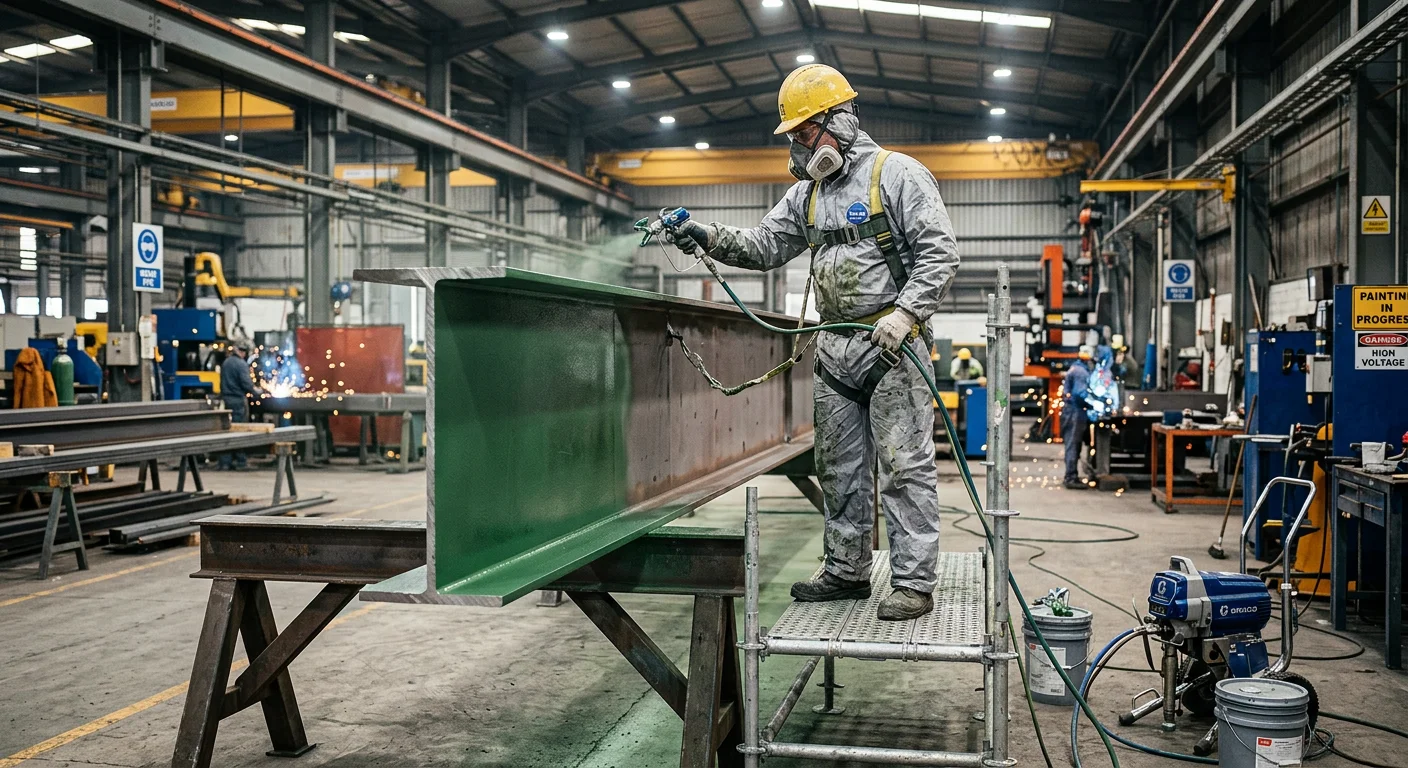
Industrial painters are the guardians of longevity and aesthetics for critical infrastructure. This comprehensive guide explores the essential skills, stringent safety protocols, lucrative career paths, and how specialized staffing agencies connect qualified professionals with top-tier projects across the UK.
A Multi-Category Overview of Industrial Painting
Essential Skills & Professional Qualifications
Success in industrial painter jobs requires a blend of technical prowess, physical stamina, and meticulous attention to detail. Beyond basic painting ability, professionals must understand surface preparation, chemical compatibility, and application techniques for various substrates like steel, concrete, and specialized composites.
Key qualifications often include certifications in abrasive blasting, spray application (airless and conventional), and familiarity with coatings from epoxy and polyurethane to zinc-rich primers. Many employers seek candidates with a Construction Skills Certification Scheme (CSCS) card and specific training in confined space entry or working at heights. Agencies like ours, with a roster of Pre-Screened Candidates, ensure these credentials are verified, saving employers significant time and risk.
The Non-Negotiable Realm of Safety
Industrial painting is governed by rigorous health, safety, and environmental regulations. Professionals must be adept in using Personal Protective Equipment (PPE), including respirators, protective suits, and eye protection, especially when handling volatile solvents or toxic coatings.
Knowledge of Control of Substances Hazardous to Health (COSHH) regulations, fire safety protocols (due to flammable materials), and proper waste disposal for chemical residues is mandatory. A safe painter not only protects themselves but the entire site. This emphasis on safety mirrors protocols in other high-skill temporary roles, such as the meticulous standards required for chef jobs Birmingham in professional kitchens.
Building a Sustainable Career
Career progression in industrial painting is well-defined. Entry-level positions often involve surface preparation and assisting senior painters. With experience and additional certifications, one can advance to a Lead Painter, Supervisor, or even a Coatings Inspector—a role that involves quality assurance and specification compliance.
Specializing in niche areas like marine coatings, pipeline painting, or fire-resistant systems can command higher wages. The sector offers stability, as maintenance and corrosion control are perpetual needs in manufacturing, energy, and infrastructure. For those seeking flexible entry into the field, exploring a Temp Workforce can provide diverse project experience and build a robust portfolio.
Navigating the Job Market
Finding reliable industrial painting jobs involves tapping into specialized networks. Direct applications to large construction firms, shipyards, or manufacturing plants are common. However, partnering with a staffing agency specializing in industrial trades offers distinct advantages: access to unadvertised projects, faster placement, and contractual clarity.
Agencies manage payroll, insurance, and match skill sets to project requirements precisely. This efficient model is similar to how other industries manage urgent needs; for instance, our services for Urgent Temp Hire In Leeds or Last-Minute Placements connect skilled workers with immediate opportunities, ensuring projects stay on schedule.
Key Benefits & Features of Industrial Painting Careers
High Demand & Job Security
Infrastructure maintenance is continuous. From bridges to factories, corrosion protection is a non-cyclical need, ensuring steady demand for skilled painters. Unlike some seasonal trades, industrial painting offers year-round opportunities across the UK.
Pro-Tip:
Specializing in a high-demand sector like oil & gas or water treatment plants can further enhance job security and earning potential.
Competitive Compensation & Benefits
Due to the specialized skills and safety risks involved, industrial painters often command higher wages than decorative painters. Many roles include benefits packages, overtime pay, and travel allowances for site-based work.
Pro-Tip:
Unionized positions in sectors like shipbuilding or large-scale civil engineering often offer superior benefits and structured pay scales.
Clear Path for Advancement
The career ladder is well-established. With experience and certifications, painters can move into supervisory roles, quality control, project management, or even sales and specification writing for coating manufacturers.
Pro-Tip:
Consider pursuing NACE (National Association of Corrosion Engineers) or ICorr (Institute of Corrosion) certifications to open doors to high-level inspector roles.
A Deep Dive into the Industrial Painting Profession
The Day-to-Day: Tasks & Environments
An industrial painter's day is structured around project phases. It begins with a safety briefing and site inspection. Surface preparation—which can involve abrasive blasting, power tool cleaning, or chemical washing—often consumes the majority of initial project time. This step is critical; a poorly prepared surface will lead to coating failure.
Application involves selecting the correct equipment (spray guns, rollers, brushes) for the specified coating and environment. Painters must monitor weather conditions (humidity, temperature) as they drastically affect curing. Final stages include inspection and touch-ups. Environments range from vast, open fabrication yards to cramped, ventilated interiors of tanks or vessels, requiring adaptability.
This methodical, phase-based work shares parallels with event staffing, where a Same-Day Event Set-Up Crew Member follows a precise sequence of tasks under time pressure to ensure a flawless result.
Essential Tools & Technology of the Trade
Beyond brushes and rollers, the industrial painter's toolkit is advanced. Abrasive blasting equipment (sand, grit, or shot) is standard for steel. Ultra-high-pressure water jetting is growing for environmental compliance. Spray systems range from air-assisted airless for fine finishes to plural-component setups for multi-part epoxies.
Technology plays a growing role. Digital inspection tools (dew point meters, digital thickness gauges) are used to verify compliance. Software for tracking coating schedules and inventory is common on large projects. Staying current with tool advancements is a key part of professional development.
Expert Insight:
"Investing in training for new application technologies, like electrostatic spraying, can significantly increase your efficiency and market value on large-scale projects."
Industry Sectors & Specialization Opportunities
Industrial painting is not a monolith. Key sectors include:
- Marine & Offshore: Specialized anti-corrosive and anti-fouling coatings for ships, platforms, and subsea structures. This sector demands knowledge of harsh environmental conditions.
- Energy & Utilities: Painting pipelines, power generation plants (nuclear, fossil, renewable), and water treatment facilities. Fire-resistant coatings are crucial here.
- Manufacturing & Infrastructure: Protecting factory equipment, structural steel in buildings, bridges, and transportation infrastructure. Long-term durability is the focus.
- Aerospace & Defence: High-performance coatings for aircraft, military vehicles, and equipment requiring extreme durability and specific chemical resistance.
Choosing a sector to specialize in allows a painter to develop deep expertise, much like how a chef specializing in pastry differs from one in savory cuisine within the realm of chef jobs Birmingham. This expertise makes you a sought-after asset for agencies and clients.
The Role of Staffing Agencies in Industrial Painting
Specialized staffing agencies are pivotal bridges in the industrial trades. For painters, agencies provide:
- Access to a Wider Project Network: Agencies often have contracts with multiple clients across sectors, offering painters variety and continuous work.
- Streamlined Compliance & Logistics: They handle credential verification, safety training updates, and often provide or arrange for specialized PPE.
- Contractual & Payment Security: Clear contracts, timely payment, and often benefits like holiday pay are managed by the agency, reducing administrative burden for the painter.
This model ensures that when a client needs an Urgent Temp Hire In Brighton for a critical painting project, a qualified professional is available immediately, minimizing project delays. Our About Us page details our commitment to this precise, reliable matching process.
Frequently Asked Questions About Industrial Painting Jobs
The foundational certification is the CSCS card (Construction Skills Certification Scheme), which proves basic health and safety awareness. For painting specifically, a COSHH certificate is vital. Beyond that, certifications in the specific application methods you'll use (e.g., spray painting, abrasive blasting) from recognized bodies like CITB or a coating manufacturer are highly valuable. Many agencies, including ours with our Pre-Screened Candidates service, verify these before placement.
Industrial painting typically offers higher pay due to the increased skill requirements, safety hazards, and often more complex working conditions (heights, confined spaces, hazardous materials). Pay can be structured as hourly rates with overtime or project-based salaries. Specialized sectors like offshore or nuclear command premium rates. It's a financially rewarding path for skilled tradespeople.
General painting experience is a good foundation, but it is not sufficient alone. Industrial painting requires specific knowledge of industrial coatings (their chemistry, application, and curing), stringent surface preparation standards, and a rigorous safety mindset. Many employers and agencies look for direct industrial experience or will require you to complete specific safety and technical training before assignment.
Three primary pathways exist: 1) Direct application to large industrial employers (e.g., engineering firms, shipyards). 2) Networking through trade unions and industry associations. 3) Partnering with a staffing agency specialized in industrial and construction trades. The agency route is often fastest and most efficient, providing access to multiple clients and handling administrative burdens. For urgent needs, our Last-Minute Placements service exemplifies this speed and efficiency.
Yes. International projects, especially in offshore energy, marine, and large infrastructure, often seek painters with recognized certifications like NACE or ICorr. Standards (e.g., ISO standards for coating application) are globally relevant. While specific opportunities vary, building a career with a reputable agency can lead to international assignments. Similarly, professionals in other fields seek global networks; for example, the international house sitting association connects people with opportunities worldwide, demonstrating the value of organized networks for specialized skills.
Ready to Advance Your Career in Industrial Painting?
Whether you're a skilled painter seeking your next challenging project or an employer needing a reliable, certified industrial painting jobs professional, our specialized staffing solutions provide the perfect match. We ensure safety, quality, and efficiency on every assignment.
Explore our full range of industrial staffing services and learn more about our process on our About2 page.